Introduction: The Magic of Marrakech Medina
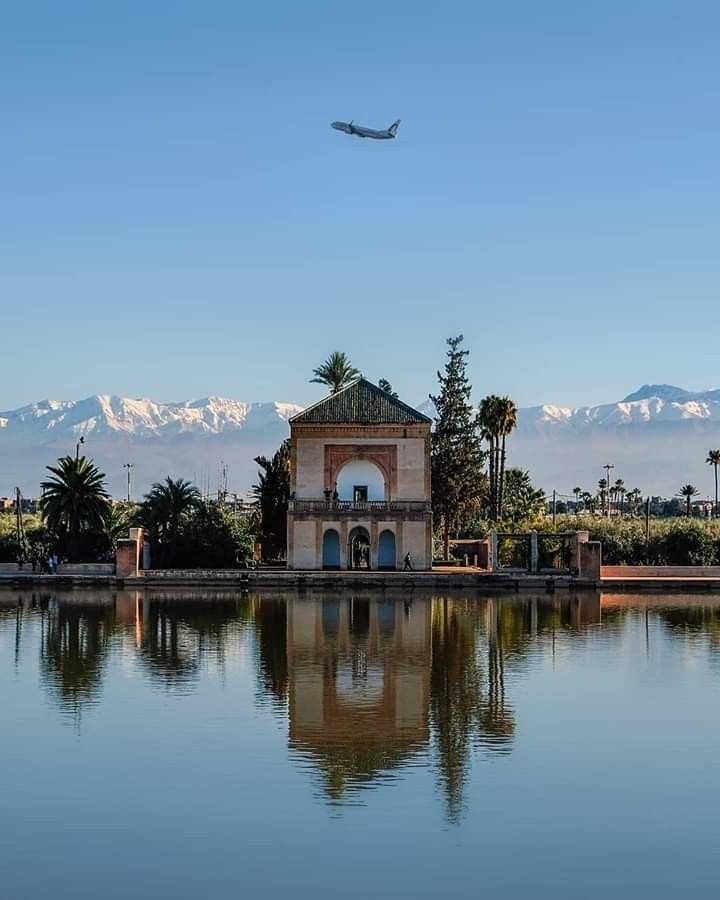
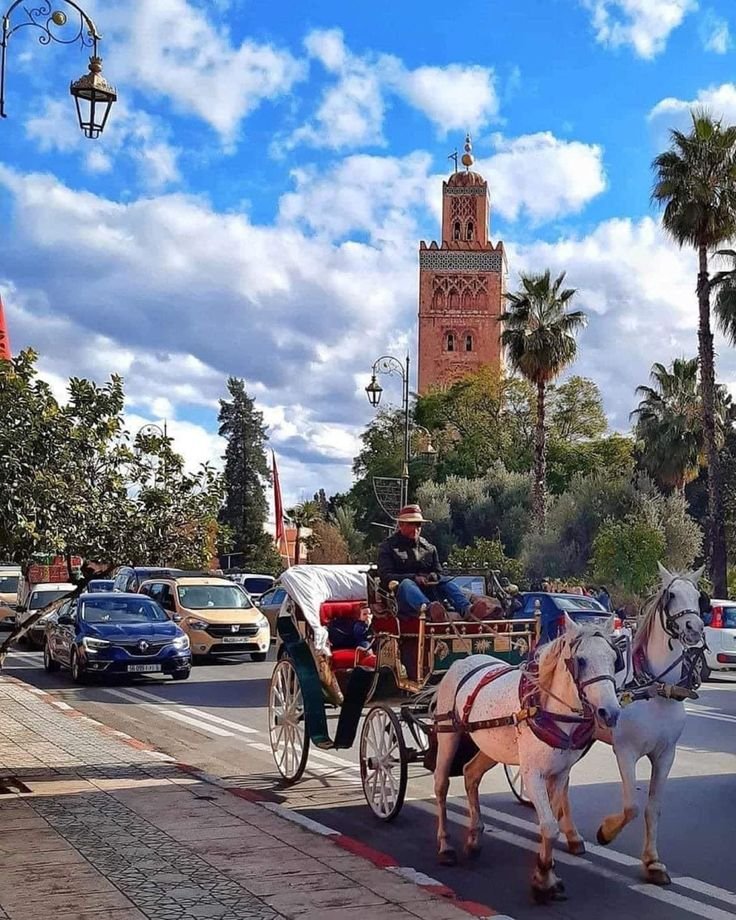
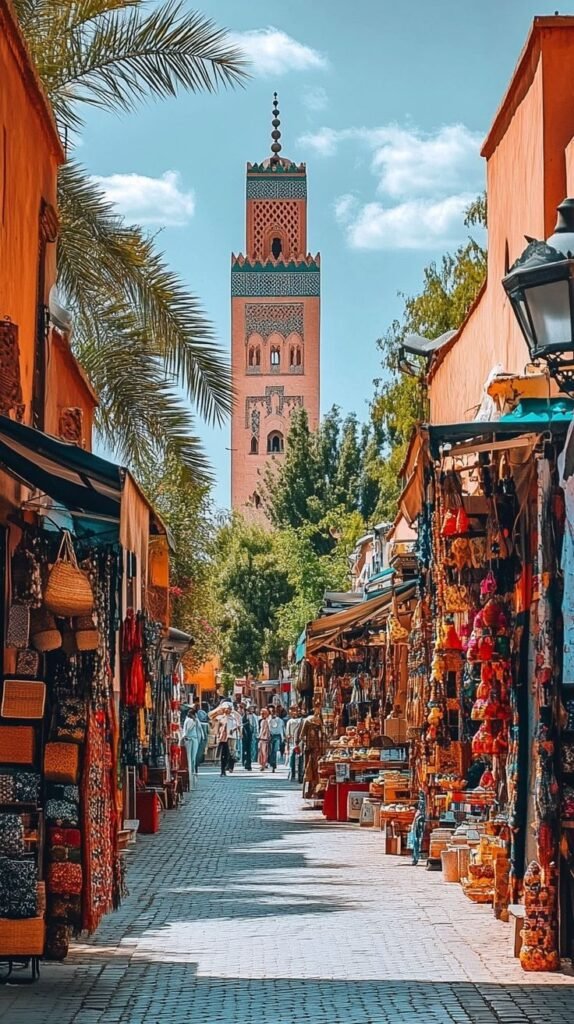
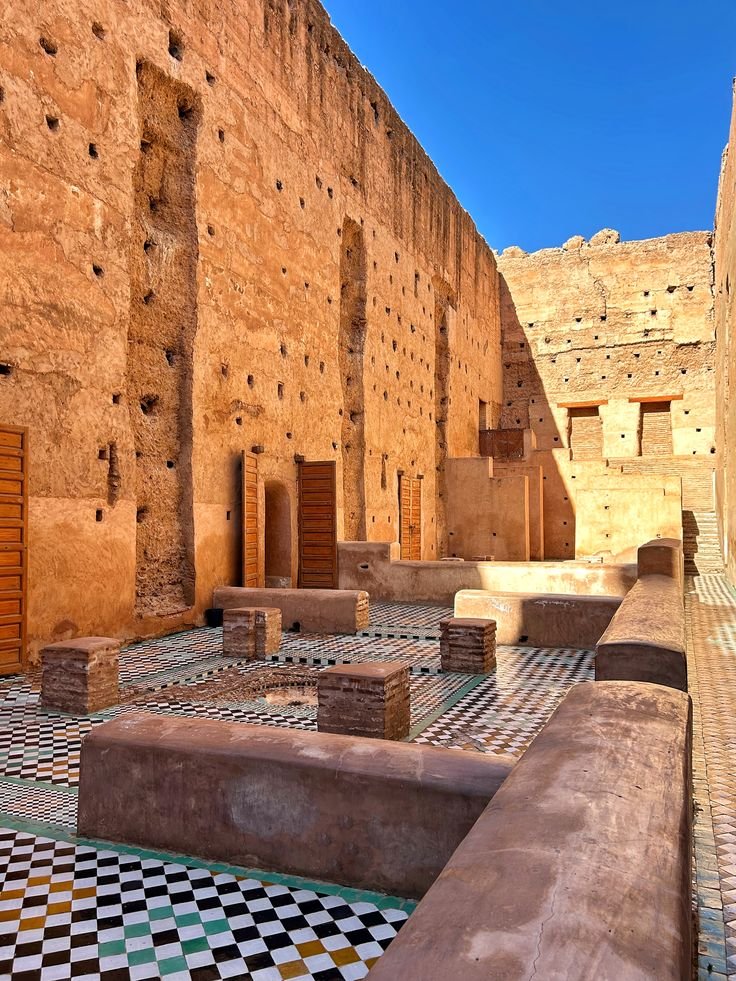
Imagine wandering through a maze of vibrant alleys filled with the scent of spices, the sound of distant calls to prayer, and the sight of artisans crafting treasures by hand. That’s Marrakech Medina, the heart and soul of Morocco. For a solo traveler, especially a woman, it’s both a challenge and a dream come true. Every turn reveals a story, every smile an invitation to discover more.
The Medina, a UNESCO World Heritage Site, has existed for almost a thousand years. Its ancient walls protect centuries of culture, tradition, and art. This Marrakech Medina guide will help you uncover the city’s hidden gems, navigate its narrow streets confidently, and experience its magic safely. Whether you’re sipping mint tea on a riad rooftop or getting lost in the labyrinthine souks, Marrakech offers an unforgettable adventure for solo travelers who crave authenticity and beauty.
Why Marrakech Medina is Perfect for Solo Travelers
Traveling solo is one of the most liberating experiences anyone can have, and Marrakech Medina is a destination that rewards curiosity and courage. The city may seem chaotic at first—bustling markets, honking scooters, and winding alleys—but beneath the surface lies a rhythm and warmth that makes solo travel deeply rewarding.
For solo travelers, especially women, Marrakech offers a mix of adventure, culture, and safety, as long as you respect local customs and stay alert. The locals are generally welcoming, and many are used to seeing tourists explore on their own. Whether it’s a shopkeeper inviting you for tea or a riad host offering insider tips, you’ll find genuine hospitality everywhere.
Another reason the Medina is great for solo travel is its compact layout. Everything is within walking distance—markets, monuments, and cafés—so you can spend your days exploring freely without relying on public transportation. Plus, it’s easy to meet fellow travelers. Many riads organize communal dinners or rooftop gatherings, creating opportunities to make friends from around the world.
And let’s not forget the empowering feeling of navigating Marrakech’s maze-like streets alone. Yes, you might get lost a few times (everyone does!), but that’s part of the magic. Every detour leads to a new discovery—an artisan’s workshop, a hidden courtyard, or a charming café tucked away from the crowds.
Pro tip: Start your adventure early in the morning when the Medina is still quiet. You’ll get to experience the city waking up—shopkeepers opening their stalls, the aroma of fresh bread in the air, and sunlight illuminating the pink-hued walls. It’s a moment of peace before the day’s vibrant chaos begins.
Getting to Marrakech: Flights and Arrival Tips
Getting to Marrakech is easier than ever. The city’s international airport, Marrakech Menara Airport (RAK), connects to major cities across Europe, Africa, and the Middle East. For American travelers, connecting flights via Paris, Madrid, or London are common.
Upon arrival, be ready for the first taste of Moroccan hospitality—and a bit of organized chaos. The airport is modern and efficient, but expect queues during peak hours. Once you collect your luggage, you can reach the Medina by taxi or shuttle. A taxi ride takes about 15–20 minutes, depending on traffic. Make sure to agree on the fare before getting in; typically, it costs around 150–200 MAD (about $15–$20 USD).
If you’re staying in a riad within the Medina, note that taxis can’t always drive directly to your door. The streets are too narrow. Instead, they’ll drop you off at a nearby gate, such as Bab Doukkala, Bab Laksour, or Jemaa el-Fnaa, where a porter with a cart can help you with your luggage for a small tip.
Pro tip for solo female travelers: Arrange airport pickup through your riad if possible. It saves you the stress of negotiating with drivers and ensures a smoother arrival.
Once inside the Medina, give yourself time to adjust to the sensory overload. The calls to prayer echoing through the alleys, the mosaic-covered walls, and the heady scent of spices can be overwhelming—but that’s the beauty of Marrakech. It’s not just a place you visit; it’s an experience that awakens all your senses.
Navigating the Medina: Understanding the Layout
Let’s be honest—no matter how good your sense of direction is, you will get lost in Marrakech Medina. And that’s perfectly okay! The Medina was built as a maze on purpose, centuries ago, to protect against invaders. Today, it’s a living labyrinth where every turn leads to something fascinating.
The Medina is roughly divided into different sections or “souks,” each specializing in a particular craft—leather goods, metalwork, carpets, spices, and more. The heart of it all is Jemaa el-Fnaa Square, the city’s central hub. From there, countless alleys branch off, leading to monuments, mosques, and markets.
Tips for navigating the Medina:
- Use landmarks, not maps. GPS often fails inside the narrow streets. Instead, remember visible points like the Koutoubia Mosque or certain colorful doors and signs.
- Download an offline map. Apps like Maps.me work well without data.
- Hire a local guide for your first day. They can show you key areas and give you historical context.
- Ask shopkeepers for directions—but be cautious. Some may offer to lead you somewhere and expect payment. If you’re unsure, politely decline.
Walking through the Medina feels like stepping back in time. Donkeys still carry goods, vendors call out their offers, and the colors and scents change from one alley to the next. The trick is to let go of control. Wander aimlessly, embrace curiosity, and soon the maze will start to make sense.
Safety Tips for Solo Female Travelers in Marrakech
Safety is one of the top concerns for solo female travelers, and while Marrakech is relatively safe compared to other large cities, it’s essential to be aware and prepared. The good news? Thousands of women travel solo to Morocco every year and have incredible experiences. The key is to stay alert, trust your instincts, and respect local customs.
Let’s start with the basics: petty crime, like pickpocketing and bag snatching, can happen, especially in crowded areas such as Jemaa el-Fnaa Square and the busy souks. Keep your valuables close and use a crossbody bag that zips securely. Avoid flashing expensive jewelry, cameras, or large amounts of cash.
As a solo woman, you might receive some unwanted attention or comments from men, but these are usually harmless and can be easily managed. A polite but firm “La, shukran” (“No, thank you” in Arabic) usually does the trick. Dress modestly—cover your shoulders, cleavage, and knees—to show respect and avoid unnecessary attention. Lightweight, loose clothing is both comfortable and culturally appropriate.
Nighttime safety is another important point. While the Medina is magical after dark, it’s best to stick to well-lit areas or explore with other travelers you’ve met. Some riads organize group dinners or guided night walks to help solo travelers enjoy the city safely.
If you ever feel lost or uncomfortable, step into a nearby shop or café and ask for help. Moroccans are known for their hospitality and will often go out of their way to assist you.
Finally, always have the contact information of your riad or hotel on hand. Locals can help you find your way back if you get turned around. Most riads provide a small card with their address in both English and Arabic—keep it in your bag.
In short, confidence, awareness, and cultural respect are your best tools. Marrakech rewards solo travelers who explore with an open heart and a mindful spirit.
Where to Stay: Riads and Budget-Friendly Options
Accommodation in Marrakech Medina is part of the experience itself. Forget typical hotels—here, you’ll stay in riads, traditional Moroccan houses centered around a courtyard or garden. These hidden oases offer tranquility amidst the Medina’s hustle and bustle.
There are riads for every budget. If you’re looking for a luxurious retreat, options like Riad Yasmine, La Sultana, and El Fenn combine Moroccan architecture with modern comfort. Picture mosaic-tiled courtyards, lush greenery, and serene rooftop pools perfect for sunset views over the city.
For budget-conscious solo travelers, there are plenty of affordable yet charming riads such as Riad Dar Najat, Riad Les Ammonites, and Riad Andalla. These smaller guesthouses often provide complimentary breakfast and warm hospitality that makes you feel right at home.
When choosing where to stay, consider location carefully. Areas like Riad Zitoun, Dar el Bacha, and Bab Doukkala are central yet quieter than the chaotic main square. Being near Jemaa el-Fnaa is convenient, but staying a few minutes’ walk away gives you peaceful nights after busy days.
Tips for solo travelers:
- Always book accommodations with good online reviews, especially from solo female guests.
- Confirm if your riad offers airport pickup—it’s worth it for peace of mind.
- Choose riads with 24-hour staff and secure entry, particularly if you plan to return late.
Many riads also offer local experiences like cooking classes, hammam spa treatments, and guided tours. Participating in these not only enhances your trip but also allows you to connect with other travelers.
Staying in a riad is more than just sleeping—it’s living the Moroccan lifestyle. Every morning, you’ll wake up to the smell of freshly baked bread, the sound of birds in the courtyard, and a breakfast spread of honey, jams, and mint tea. It’s a slow, sensory start to a day full of adventure.
What to See in the Medina
When people talk about the magic of Marrakech, they’re often referring to the Medina’s must-see attractions. This ancient walled city is home to centuries-old architecture, sacred mosques, bustling markets, and vibrant cultural landmarks. Each site tells a story of Marrakech’s rich past and artistic soul.
The Koutoubia Mosque
Dominating the skyline with its 77-meter minaret, Koutoubia Mosque is Marrakech’s most famous landmark. Built in the 12th century, its elegant design inspired other Islamic monuments like Seville’s Giralda Tower. Non-Muslims can’t enter the mosque, but its beauty is best admired from the gardens that surround it, especially at sunset when the pink walls glow against the setting sun.
Jemaa el-Fnaa Square
No visit to the Medina is complete without experiencing Jemaa el-Fnaa, the beating heart of Marrakech. By day, the square buzzes with juice vendors, street performers, and snake charmers. By night, it transforms into a massive open-air food market filled with the aroma of grilled meats, couscous, and spices.
Solo travelers will love the energy here—it’s chaotic, colorful, and alive. For a calmer perspective, grab a seat at one of the rooftop cafés overlooking the square, order a mint tea, and watch the spectacle unfold below.
The Souks of Marrakech
Step into the souks, and you step into another world. These markets are divided into sections by craft—Souk Semmarine for leather goods, Souk el Attarine for spices, Souk Cherratine for carpets, and so on. The air is thick with the scent of cedarwood, amber, and cumin.
Bargaining is expected, so embrace the dance of negotiation with a smile. Start by offering half the asking price and work your way up. Remember—it’s not just about buying; it’s about the interaction.
Bahia Palace
A short walk from the bustling souks will take you to Bahia Palace, a masterpiece of Moroccan architecture. Built in the late 19th century for a grand vizier, this palace is a stunning example of Islamic and Moroccan artistry. Its name, “Bahia,” means “brilliance,” and the place truly lives up to it.
As you step inside, you’ll find yourself surrounded by exquisite mosaics, marble floors, carved cedar ceilings, and tranquil courtyards filled with orange trees. Every corner whispers stories of Morocco’s royal past. Solo travelers will especially enjoy the peaceful atmosphere here—it’s a refreshing escape from the Medina’s constant buzz.
Make sure to bring your camera because Bahia Palace is a dream for photographers. Early morning visits are best, before large tour groups arrive, giving you the space to appreciate its beauty in serenity.
Saadian Tombs
Hidden for centuries behind the walls of the Kasbah Mosque, the Saadian Tombs were rediscovered in 1917 and have since become one of Marrakech’s most visited historical sites. These tombs date back to the 16th century and house members of the Saadian dynasty, including Sultan Ahmad al-Mansur.
The site is famous for its intricate stucco, marble, and tile decorations that reflect the opulence of Moroccan craftsmanship. The most impressive chamber, the Hall of Twelve Columns, features Italian Carrara marble and finely carved woodwork.
While the tombs themselves are small, their historical significance is immense. They represent a time when Marrakech was one of the most powerful cities in North Africa. Solo travelers will find it fascinating to wander through this quiet, sacred space and imagine the stories buried within its walls.
Ben Youssef Madrasa
Another highlight of the Medina is the Ben Youssef Madrasa, an ancient Islamic college founded in the 14th century. Recently restored, it’s one of the most breathtaking examples of Moroccan artistry you’ll ever see.
The madrasa’s central courtyard, with its symmetrical design, colorful zellige tiles, and marble fountain, is a feast for the eyes. It once housed up to 900 students studying the Quran, each living in small dormitories that still remain intact.
Walking through the madrasa, you’ll feel an incredible sense of peace. The blend of geometry, calligraphy, and craftsmanship creates a space that feels spiritual even for non-religious visitors. For solo travelers, it’s a perfect place to slow down, reflect, and admire the harmony between architecture and faith that defines Moroccan design.
Hidden Gems and Offbeat Spots
Beyond the major landmarks, Marrakech Medina is full of hidden corners that most tourists miss. If you love discovering local secrets, these are the places that make solo travel so rewarding.
Start with Le Jardin Secret, a peaceful garden oasis tucked within the Medina. Once a private palace, it’s now open to visitors seeking a quiet break. The lush greenery, fountains, and rooftop café make it ideal for reading, journaling, or simply escaping the noise outside.
Another lesser-known gem is the Maison de la Photographie, a small museum displaying a beautiful collection of vintage photographs from Morocco’s past. It offers a fascinating glimpse into Moroccan life from the late 19th to early 20th centuries. The rooftop café also provides one of the best panoramic views of the Medina.
If you’re interested in art and design, visit Dar Bellarj, a cultural center promoting Moroccan arts through exhibitions, workshops, and performances. It’s located near the Ben Youssef Madrasa and is often overlooked by tourists.
Lastly, take a walk through the Jewish Quarter (Mellah) near the Bahia Palace. Once home to Marrakech’s Jewish community, it offers a quieter, more reflective side of the city. You’ll find narrow alleys, synagogues, and spice shops, as well as the Lazama Synagogue, which still stands as a symbol of the city’s diverse heritage.
Exploring these hidden gems gives you a deeper connection to Marrakech—beyond the souvenirs and photo ops, you’ll discover the heart of its culture and history.
Local Food and Where to Eat
One of the best parts of traveling solo in Marrakech is indulging in its mouthwatering cuisine. Moroccan food is a celebration of spices, flavors, and textures—a blend of Berber, Arab, and Andalusian influences. In the Medina, every meal feels like a feast.
Start with the street food stalls around Jemaa el-Fnaa at night. Try tagine (slow-cooked meat and vegetable stew), couscous, harira (a rich soup made with lentils and chickpeas), and brochettes (grilled skewers). For dessert, enjoy chebakia, a honey-drenched pastry often served with mint tea.
If you prefer sit-down dining, head to Café des Épices, a rooftop restaurant overlooking the spice market. It’s perfect for solo travelers—friendly atmosphere, reasonable prices, and stunning views. Nomad, another nearby restaurant, serves modern Moroccan dishes with a twist and caters well to solo diners.
For breakfast or a light lunch, don’t miss Atay Café, where you can savor pancakes with honey, fresh juices, and Moroccan mint tea while watching life unfold in the streets below.
And if you want a true local experience, ask your riad if they can prepare a home-cooked dinner. Many offer traditional Moroccan meals, giving you a taste of family-style dining that’s both comforting and cultural.
Pro tip: Moroccan dining is slow and social—take your time, enjoy the atmosphere, and don’t be afraid to chat with locals or other travelers at nearby tables. Food here isn’t just about eating; it’s about connecting.
Shopping in the Souks: What to Buy and How to Bargain
opping in Marrakech Medina is not just a pastime—it’s an adventure. The souks are a sensory explosion of colors, scents, and sounds, offering everything from handmade leather bags to intricate lanterns, traditional ceramics, and woven rugs. For solo travelers, exploring these markets is both thrilling and educational—a crash course in Moroccan craftsmanship and culture.
When you step into the souks, you’ll quickly realize it’s easy to get lost, both literally and figuratively. Every narrow alley leads to another treasure trove of goods. Start your shopping journey at Souk Semmarine, one of the largest and most popular markets. Here, you’ll find colorful slippers (babouches), handwoven baskets, and brass lamps. Move deeper into Souk el Attarine for fragrant spices, essential oils, and perfumes made from natural ingredients like amber, musk, and rose.
If you’re into fashion and accessories, Souk Cherratine and Souk des Teinturiers (the dyers’ market) are must-visits. You’ll witness artisans hand-dyeing fabrics in every hue imaginable—a photographer’s dream. For art lovers, the Souk el Khemis offers antique furniture, vintage jewelry, and Berber artifacts.
Now, let’s talk about the art of bargaining—an essential skill in Marrakech. The first price you’re quoted is rarely the final one. It’s expected that you’ll negotiate. Start by offering about half of the asking price and work your way up slowly. Keep it lighthearted and friendly; the key is to smile and enjoy the interaction. Remember, haggling isn’t about confrontation—it’s a social game deeply ingrained in Moroccan culture.
Pro tip: If a vendor offers you mint tea during a sale, it’s both a gesture of hospitality and an invitation to stay longer. Accept it graciously, but don’t feel pressured to buy something if you’re not interested.
When shopping for high-value items like rugs or jewelry, do a little research first or ask your riad for trusted recommendations. Many riads partner with reputable artisans who offer fair prices.
And finally, make sure to carry cash, as most small shops don’t accept cards. Moroccan dirhams (MAD) are preferred, and keeping smaller denominations makes transactions easier.
Shopping in the Medina is more than just buying souvenirs—it’s about connecting with the people behind the crafts, understanding their stories, and taking a piece of Marrakech’s soul home with you.
Cultural Etiquette and Dress Code
Understanding Moroccan culture and etiquette is crucial for any traveler, especially for those exploring solo. Marrakech is a blend of tradition and modernity, and showing respect for local customs enhances your experience and interactions.
When it comes to dress code, modesty is key. Women should avoid revealing clothing such as short skirts, low-cut tops, or sleeveless shirts. Instead, opt for light, breathable fabrics that cover your shoulders and knees—think maxi dresses, loose pants, and scarves. Men should also dress respectfully, avoiding sleeveless shirts and overly casual attire in religious or local areas.
Wearing modest clothing not only shows cultural respect but also helps you blend in and reduces unwanted attention. A light scarf is incredibly versatile—it can be used to cover your head when entering a mosque or simply to shield yourself from the sun and dust.
Greetings and manners also play an important role in Moroccan society. A polite “Salam Alaikum” (peace be upon you) goes a long way. Handshakes are common, but wait for the other person to initiate, especially when greeting the opposite gender. If someone invites you for tea or a meal, it’s considered polite to accept, even if only for a short time.
When taking photos, always ask permission first—especially when photographing locals, shopkeepers, or performers in Jemaa el-Fnaa. Some may expect a small tip in exchange for pictures.
Lastly, public displays of affection are frowned upon. Holding hands is acceptable, but kissing or hugging in public can attract unwanted attention.
Marrakech thrives on hospitality and respect. The more you engage with locals respectfully, the more warmth you’ll receive in return. By observing these cultural nuances, solo travelers can move through the city with confidence, grace, and a deeper connection to Moroccan life.
Best Time to Visit Marrakech Medina
Timing can make or break your Marrakech experience. The best time to visit is during the spring (March–May) and fall (September–November) seasons. During these months, the weather is pleasantly warm, making it ideal for sightseeing, walking through the souks, and exploring the Medina without feeling overheated.
Summer (June–August) can be intensely hot, with temperatures often exceeding 100°F (38°C). If you do visit during this time, plan your outdoor adventures early in the morning or late in the evening, and spend the hottest hours relaxing in a shaded courtyard or hammam.
Winter (December–February) is cooler, especially at night, but the days are still sunny and comfortable. It’s a great season for those who prefer fewer crowds and lower accommodation prices.
Aside from the weather, timing your visit around local events can enrich your experience. The Marrakech International Film Festival in December and the Awaln’Art Performance Festival in spring are great opportunities to see Moroccan art and culture in action.
Pro tip: Fridays are holy days in Morocco, and some shops or attractions may close during midday prayers. Plan your itinerary accordingly, and use that time to enjoy a long lunch or visit a quieter part of the Medina.
No matter when you visit, the Medina’s energy remains constant—vibrant, welcoming, and alive. Each season offers a unique way to experience its timeless charm.
Day Trips from Marrakech
While the Medina itself can easily fill your itinerary, the surrounding areas of Marrakech offer fantastic day trips that add depth to your Moroccan adventure.
One of the most popular excursions is to the Atlas Mountains, located just an hour away. You can hike through Berber villages, visit local markets, and enjoy breathtaking views of snow-capped peaks. For solo travelers, joining a small guided tour is a safe and social way to explore this region.
Another must-visit destination is the Agafay Desert, often called the “stone desert.” Unlike the Sahara, it’s closer to Marrakech and perfect for a quick getaway. You can ride camels, watch the sunset over the dunes, and dine under the stars at a desert camp.
If you love nature, don’t miss the Ouzoud Waterfalls, about a three-hour drive from Marrakech. The cascading falls are surrounded by lush greenery and friendly Barbary macaques.
For a cultural escape, head to Essaouira, a charming coastal town famous for its relaxed vibe, seafood, and art scene. The contrast between Essaouira’s breezy tranquility and the Medina’s vibrant chaos makes it an excellent day trip for solo travelers needing a break.
Each of these trips provides a glimpse of Morocco’s diverse landscapes and lifestyles—and returning to the Medina afterward feels like coming home to the heart of it all.
Photography Tips: Capturing the Soul of the Medina
Photographing Marrakech Medina is like trying to capture magic—it’s vivid, layered, and full of life. Every corner tells a story, every color seems to glow in the Moroccan sunlight, and every person you meet adds character to your frame. Whether you’re using a professional camera or just your smartphone, the Medina will inspire your inner artist.
Start your day early. The golden morning light filtering through the narrow alleys is perfect for photography. You’ll also avoid crowds and have more freedom to capture shots without distractions. Head to the souks while vendors are setting up—this is when the atmosphere feels most authentic and intimate.
When photographing people, always ask for permission first. A friendly smile and a simple “photo, okay?” go a long way. Some locals may decline, while others might agree happily, especially if you buy something from their stall. In Jemaa el-Fnaa, performers and snake charmers often expect a tip for photos—typically 10–20 dirhams.
Look for patterns, colors, and textures. The Medina is a visual feast of intricate tiles, ornate doors, woven fabrics, and baskets of spices. Capture details that reflect Moroccan craftsmanship and culture rather than just wide street shots. The city’s famous pink and terracotta hues change beautifully throughout the day, so play with natural light to bring out their warmth.
For a stunning panoramic view, head to a rooftop café such as Café de France, Le Salama, or Nomad. From there, you can photograph the Koutoubia Mosque, the Atlas Mountains in the distance, or the bustling Jemaa el-Fnaa square below.
Pro tip: Always carry extra memory cards and a fully charged power bank. The Medina’s photogenic chaos means you’ll be taking hundreds of shots without even realizing it.
Most importantly, remember to put your camera down sometimes. The true magic of Marrakech isn’t just in photos—it’s in the sounds of merchants calling, the scent of orange blossoms, and the warmth of sunlight on the pink walls. Capture those moments with your heart, not just your lens.
Conclusion: Embrace the Magic of Solo Travel in Marrakech
Traveling solo through Marrakech Medina is more than just a journey—it’s a transformation. This ancient walled city invites you to lose yourself, both literally and metaphorically, and in doing so, you discover pieces of yourself you didn’t know existed. The Medina is alive with contrasts—chaotic yet calm, ancient yet modern, traditional yet endlessly creative.
For solo travelers, especially women, Marrakech offers an experience that’s empowering and enlightening. You’ll learn to navigate its maze-like streets with confidence, negotiate prices with charm, and find serenity in unexpected places—like the quiet courtyards of a riad or the rhythmic sounds of a call to prayer echoing through the air.
What makes Marrakech truly unforgettable is its people. The shopkeeper who shares a story over mint tea, the riad host who calls you “family,” the street musician whose melody follows you through the alleys—these connections transform your trip into something deeply personal.
By the time you leave, the Medina’s spirit lingers in your heart. Its colors, scents, and rhythms become part of your travel soul. Whether it’s your first solo trip or one of many, Marrakech teaches you to embrace the unknown, find beauty in chaos, and move through the world with open eyes and an open heart.
So, pack your curiosity, your courage, and your sense of wonder—and step into the Marrakech Medina. Adventure, inspiration, and self-discovery await behind every corner.